Service-page implementationLive form delivery remains pending

Attic insulation services

Attic Insulation

Improve the insulation you already have.

Additional blown-in fiberglass can increase insulation depth and improve coverage when the existing material is in suitable condition and can remain in place.

Serving the Dallas–Fort Worth area · Residential homes

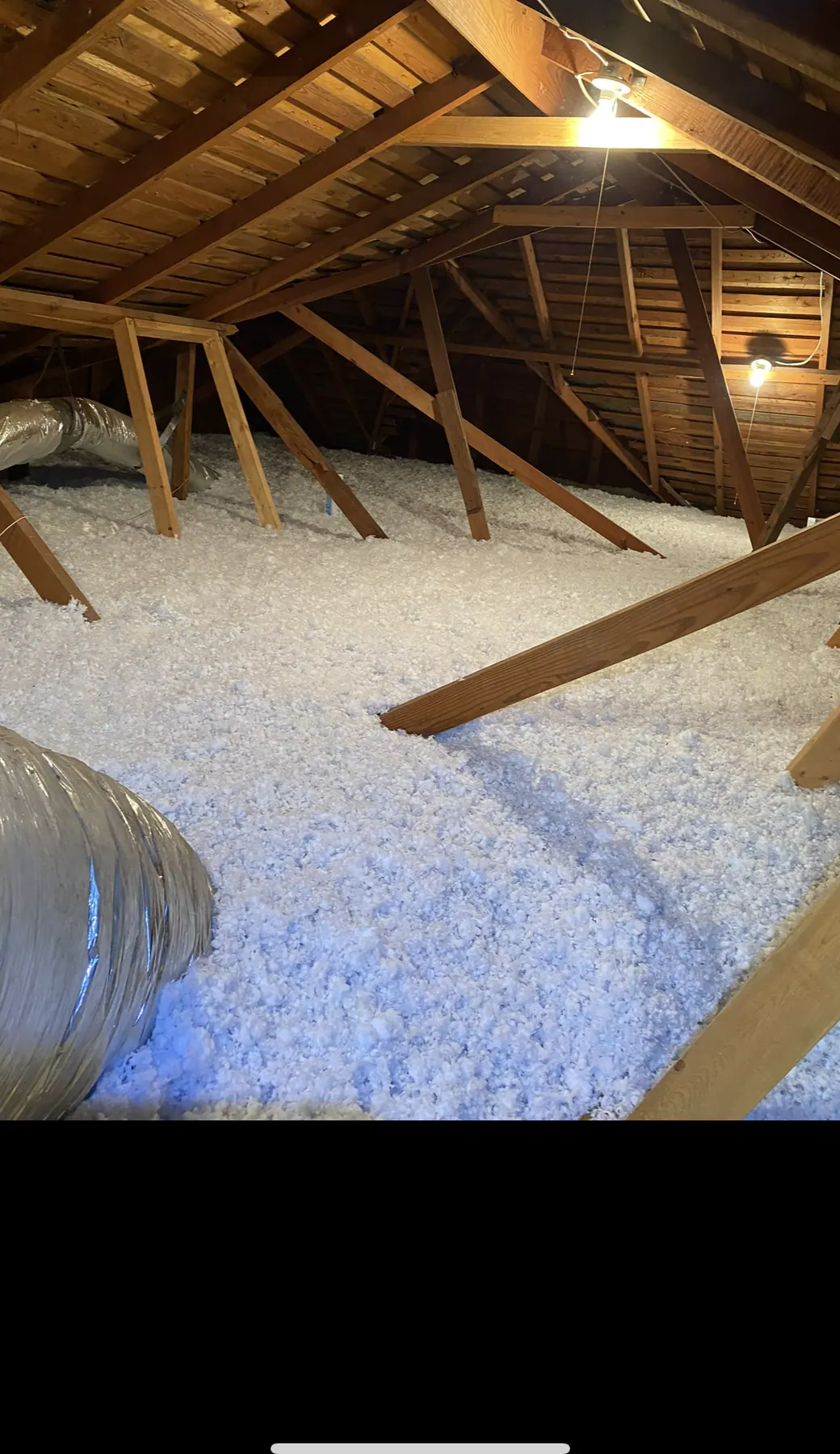
Completed blown-in fiberglass insulation across a residential attic floor
Blown-in fiberglass installationCompleted loose-fill coverage across the attic floor.

Adding insulation improves R-value

More insulation helps. It does not automatically seal air leaks.

Adding fiberglass can improve thermal resistance and coverage. It does not create attic-floor access or inherently seal concealed leakage beneath the material.

A clear process

A clear process. Documented work.

We inspect and measure first, protect the home during installation, and verify the finished depth and coverage.

  1. 1

    Inspect

    Evaluate existing conditions and coverage.

  2. 2

    Measure

    Determine current depth and target R-value.

  3. 3

    Protect

    Protect the home and prepare access.

  4. 4

    Install

    Add blown fiberglass to the specified depth.

  5. 5

    Verify

    Check depth, coverage, and ventilation paths.

  6. 6

    Document

    Photograph completed work and key details.

Real project photography

See the conditions. See the work.

Selected field images show the conditions, installation details, and completed work relevant to this service.

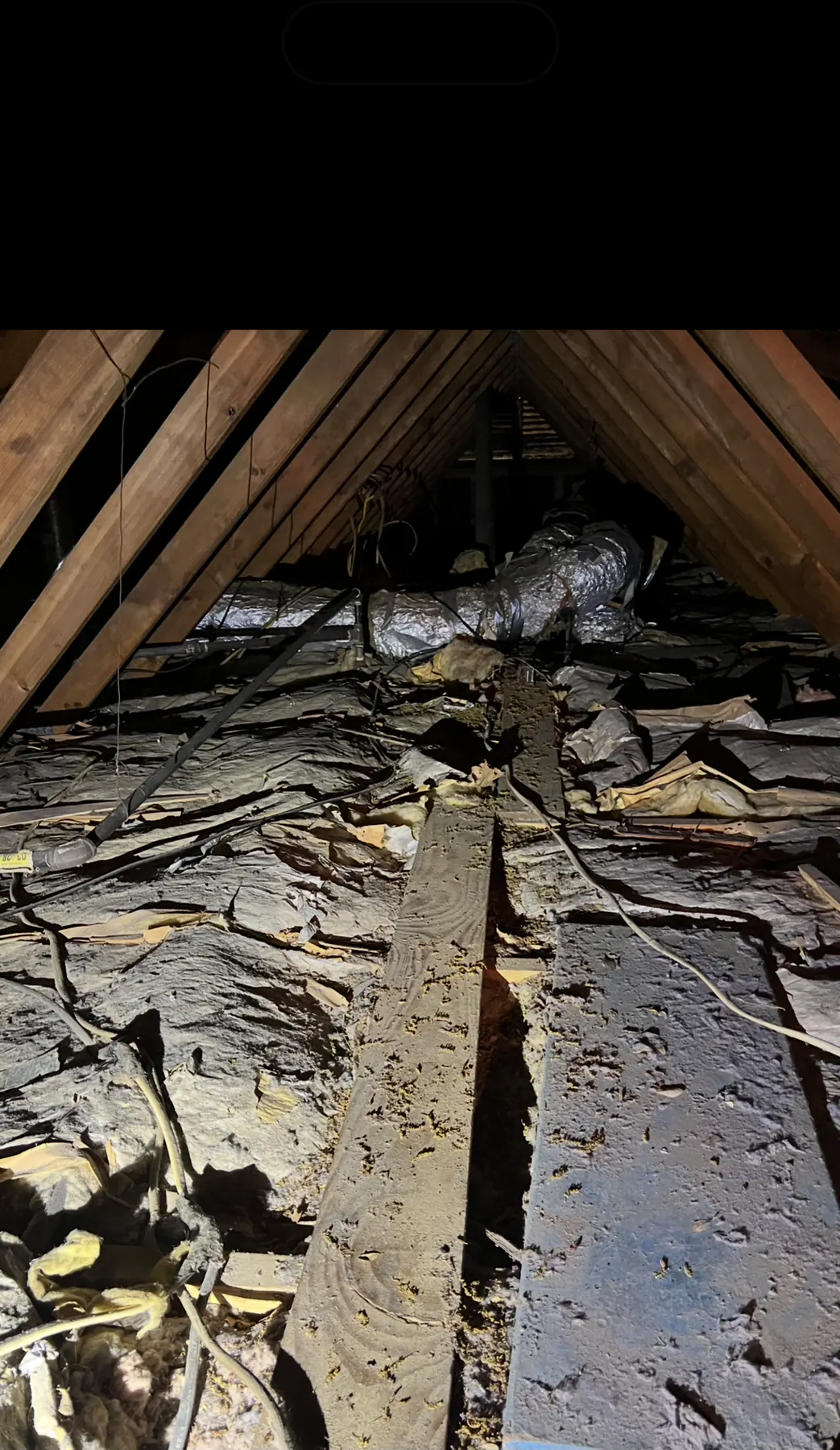
Existing attic insulation condition with disturbed material and exposed framing
Existing insulation conditionDFW Attic Solutions field photography.
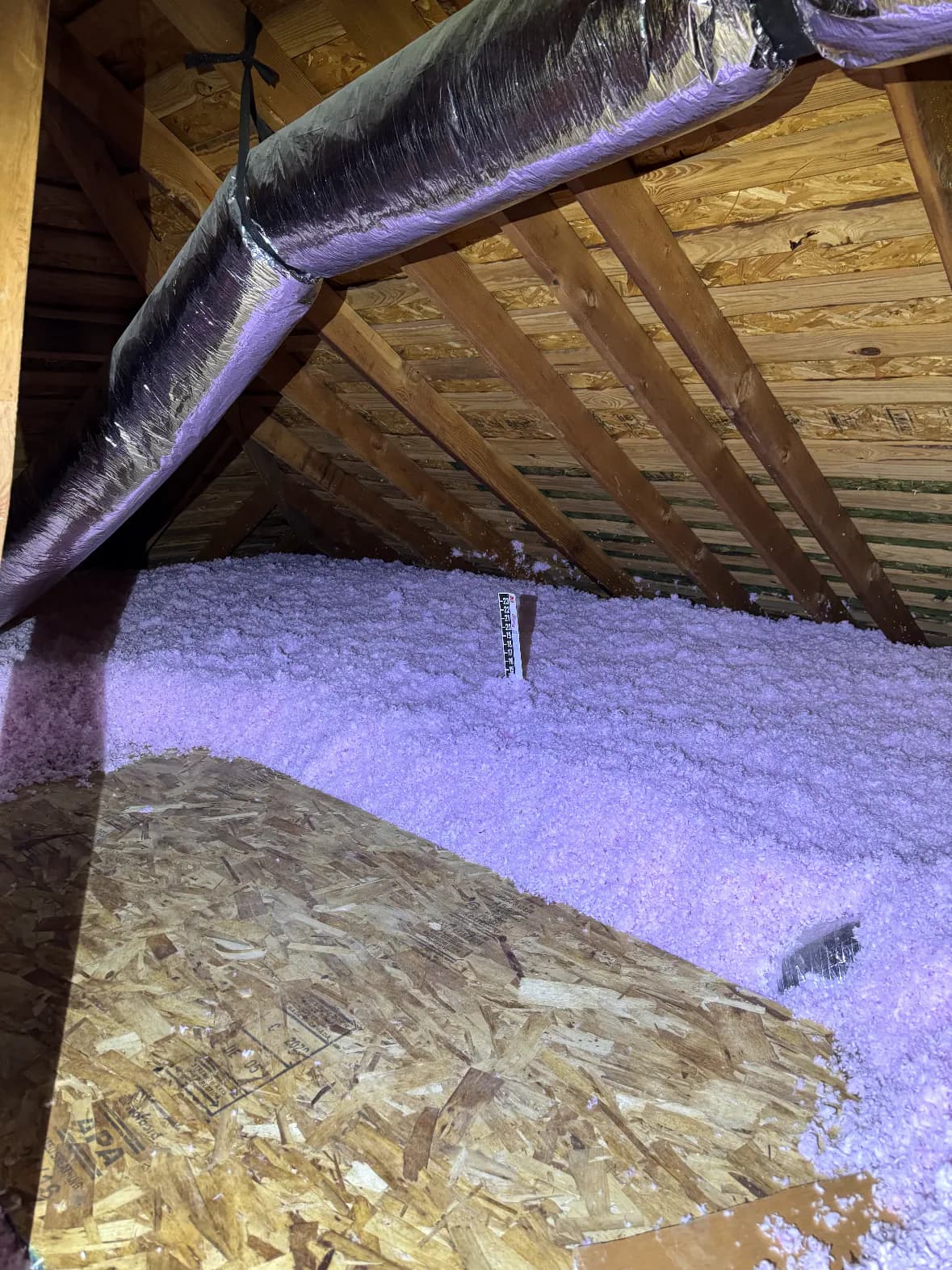
Fresh loose-fill fiberglass insulation installed around attic ductwork
Installed loose-fill coverageDFW Attic Solutions field photography.
Installed-depth verificationA dedicated loose-fill depth-verification photograph is still needed.
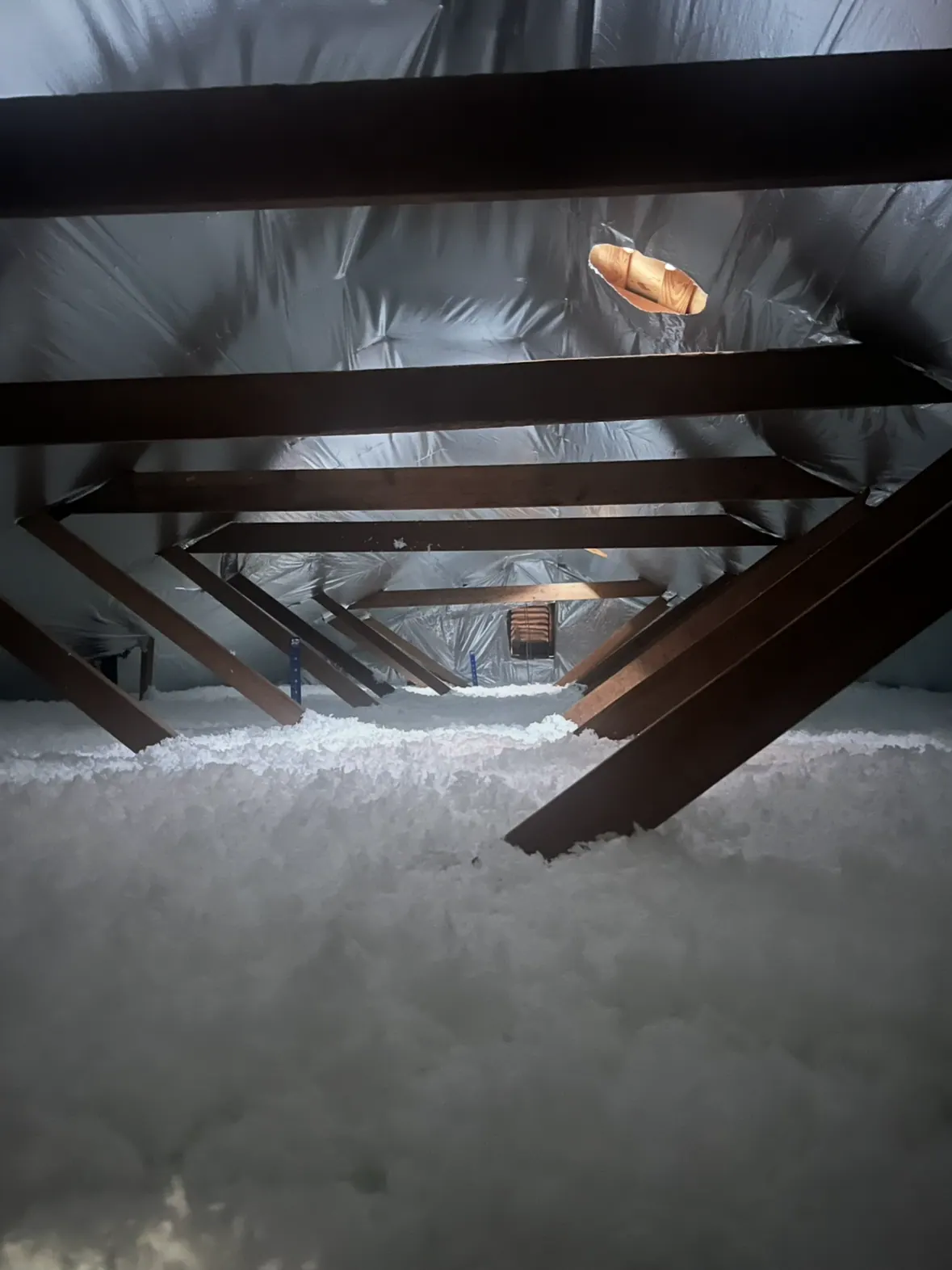
Completed loose-fill insulation coverage beneath a residential roof assembly
Completed coverageDFW Attic Solutions field photography.

A focused fit

Consider this approach when:

  • Existing insulation is suitable to remain.
  • Greater depth and coverage are needed.
  • A narrower insulation scope is appropriate.
  • You want to improve thermal performance without rebuilding the attic floor.

Important to understand:

  • It does not systematically expose concealed air leaks.
  • It does not repair wiring, ductwork, or unrelated material conditions.
  • Existing ventilation paths require field verification.
  • R-value is only one part of attic performance.

Four factors. One effective attic assembly.

The insulation scope is only one part of performance.

Adding insulation retains the conventional attic-floor strategy, so the full vented assembly still matters.

01

R-value

More suitable insulation depth can improve thermal resistance and coverage.

02

Air sealing

Added fiberglass may cover leakage; it does not inherently seal concealed gaps.

03

Radiant control

Radiant barrier may complement a suitable vented attic but does not replace insulation.

04

Ventilation

Soffit and exhaust paths must remain appropriate for the observed attic.

Start with the attic

Start with a free attic inspection.

Tell us what you are noticing. We will follow up to arrange an inspection and discuss the scope that fits the observed conditions.

Preferred contact

Submitting a request does not automatically confirm an appointment.