R-value
The insulation layer moves from the attic floor to the roof deck.

Roof-deck attic insulation
A different approach to insulating and air-sealing your attic.
Open-cell spray foam applied at the underside of the roof deck can create an unvented attic assembly when the roof, moisture, mechanical, exhaust, and conditioning requirements are suitable.
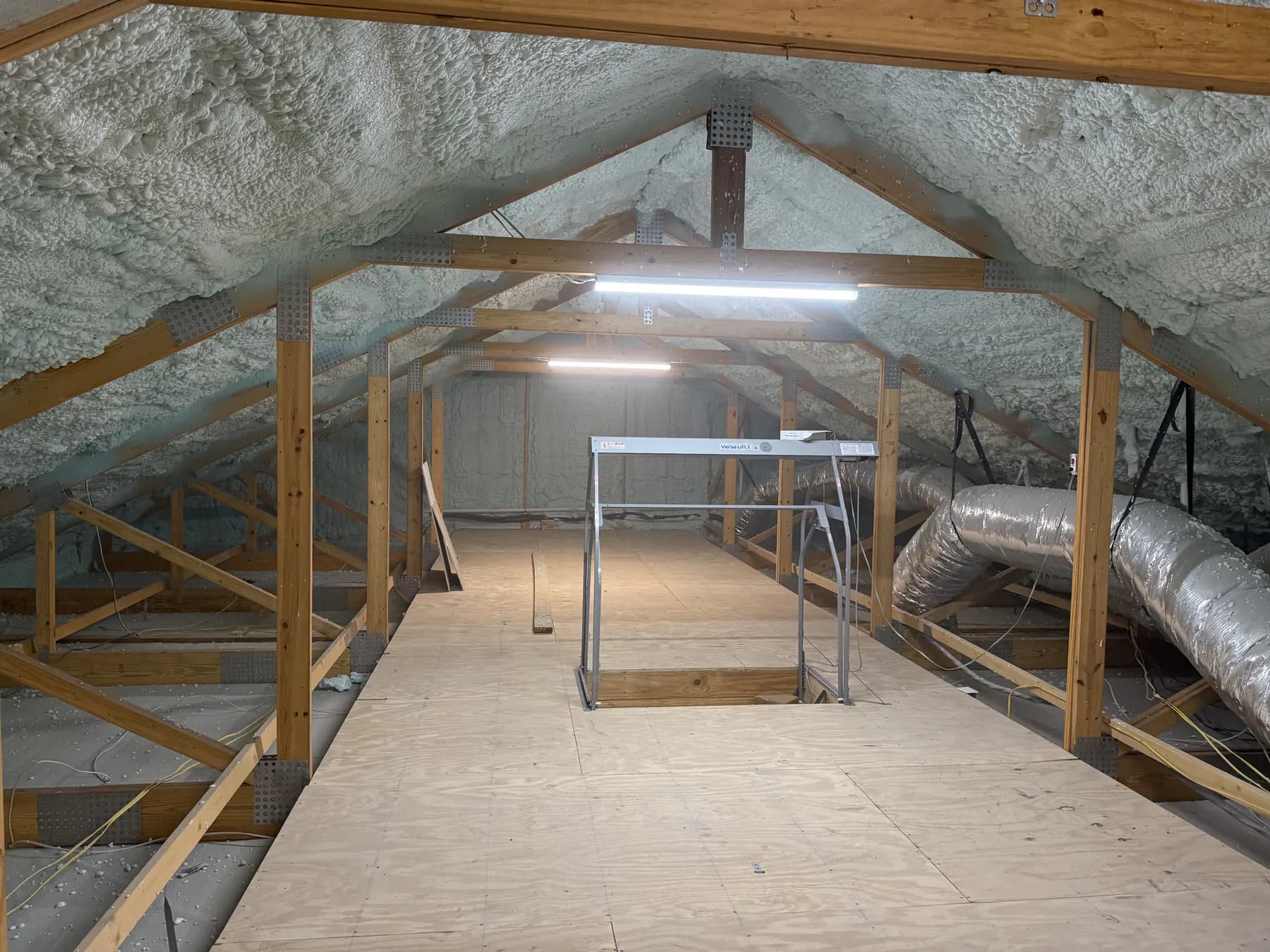
A different attic assembly
The conversion relocates the thermal and air-control boundary from the attic floor to the roof deck. It is an attic-system decision—not simply a premium material upgrade.
Insulation and primary air control remain at the attic floor.
Insulation and air control move to the underside of the roof deck.
A clear process
The roof, moisture, ventilation, equipment, exhaust, and conditioning context are evaluated before the defined assembly is installed.
Assess suitability and existing attic conditions.
Protect the home during preparation and installation.
Remove attic-floor insulation for the defined conversion.
Install appropriate open-cell foam at the roof deck.
Check coverage, depth, and key assembly details.
Document completed work and remaining requirements.
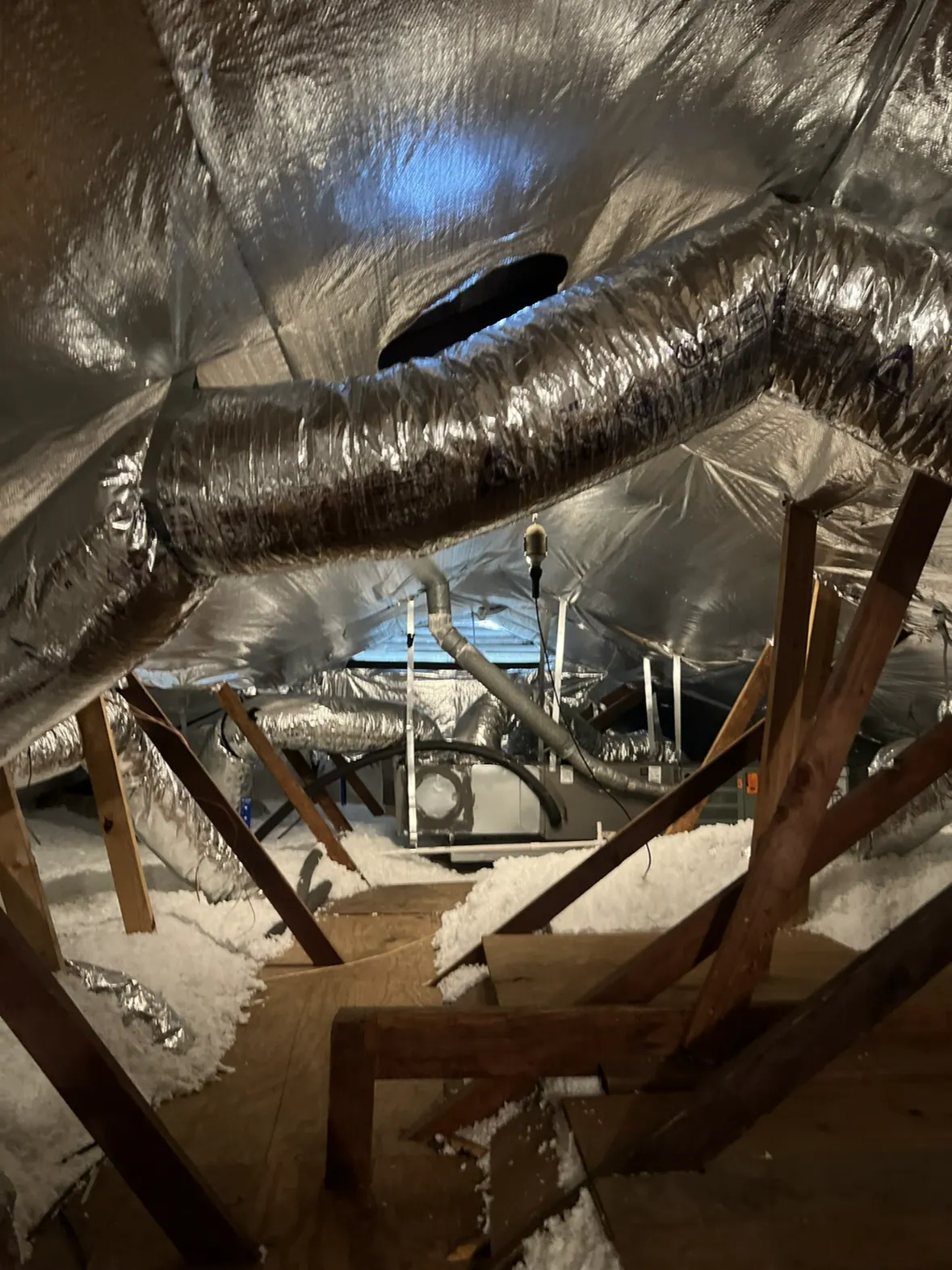
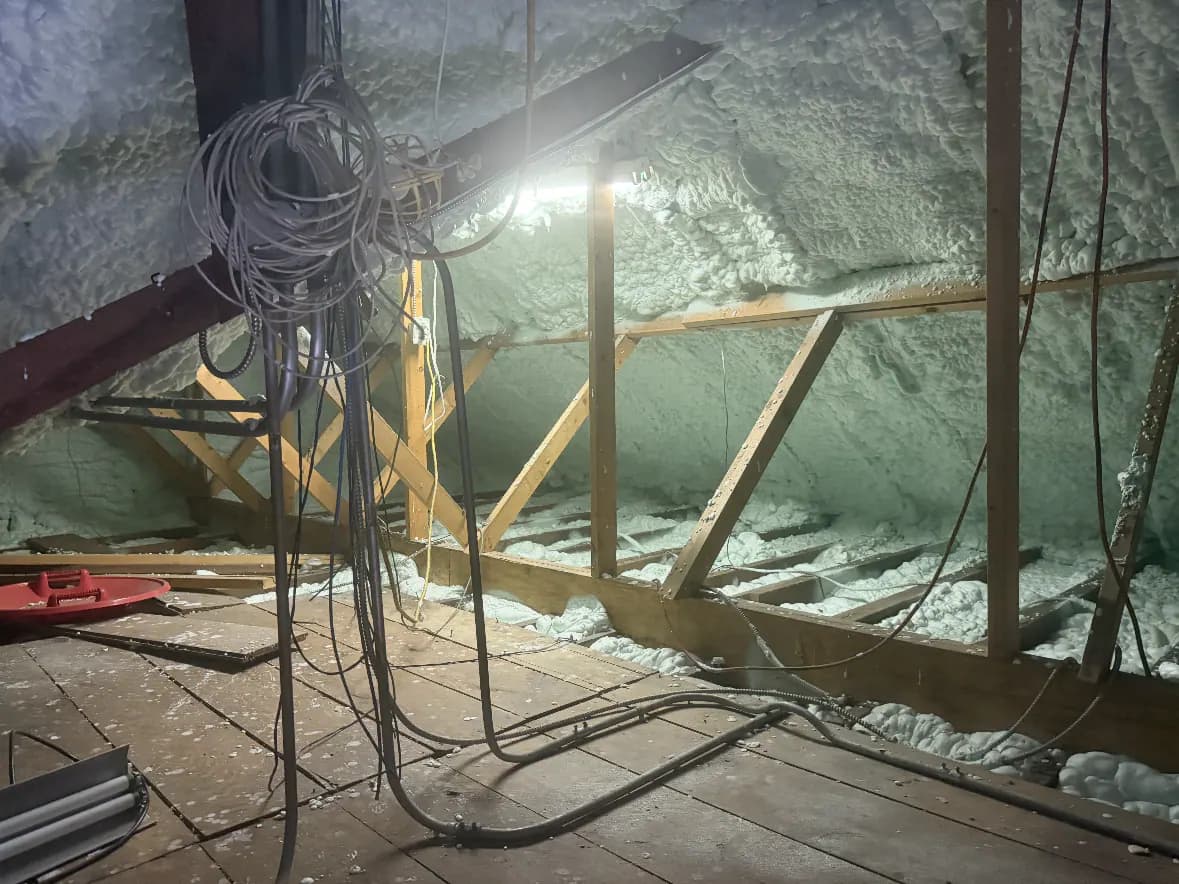
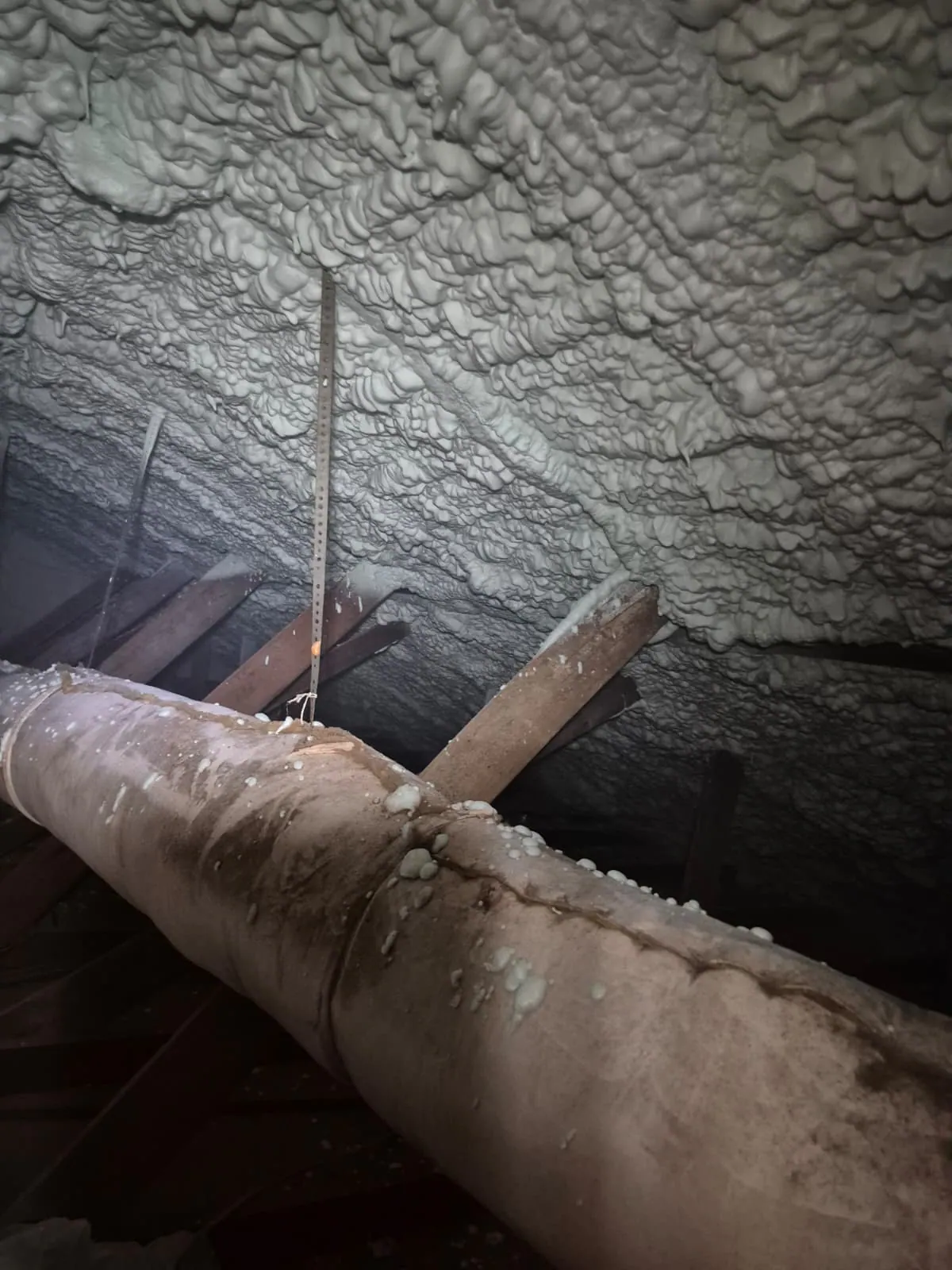
Real project photography
Selected field images show the conditions, installation details, and completed work relevant to this service.
Condition-dependent fit
Four factors. One effective attic assembly.
Spray foam moves the control layer, so insulation, air control, moisture, and conditioning must work as one assembly.
The insulation layer moves from the attic floor to the roof deck.
A continuous roof-deck application becomes part of the air-control strategy.
Roofline heat flow is addressed by the selected roof-deck assembly, not a universal add-on.
An unvented attic requires project-specific moisture and conditioning decisions.
Start with the attic
Tell us what you are noticing. We will follow up to arrange an inspection and discuss the scope that fits the observed conditions.